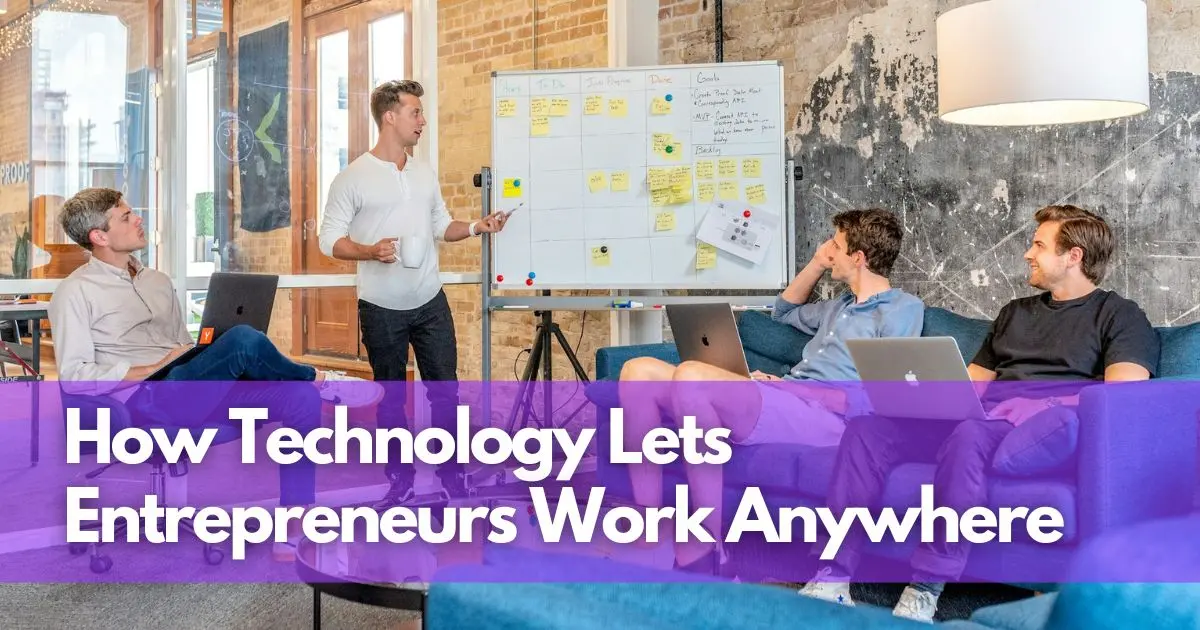
Travel Smarter: How Technology Lets Entrepreneurs Work Anywhere
Travel and entrepreneurship used to seem like two very different lifestyles. One meant sitting behind a desk and building a business while the other meant switching off your laptop and heading for the airport.
I don't see it that way anymore.
As an engineer who loves traveling, I've discovered that technology makes it possible to combine work, entrepreneurship and travel while still being productive. With the right tools, planning and mindset, your laptop can become your office almost anywhere in the world.
I find the key is simple: don't let travel interfere with your business—use technology to make your business more flexible.
Why Travel Works So Well for Tech Entrepreneurs
Technology has completely changed what it means to have a workplace. Cloud platforms, video conferencing, project-management software and smartphones mean I don't necessarily need a traditional office to keep things moving.
For a tech entrepreneur, traveling can actually create opportunities.
A new city can introduce you to potential customers, founders, developers and investors. A different culture can inspire new product ideas. Even stepping away from your normal routine can help you look at a problem from a completely different perspective.
Modern digital nomad resources increasingly focus on combining reliable connectivity, productivity and travel rather than simply working from exotic locations.
Build a Business That Travels With You
The first rule of becoming a traveling entrepreneur is straightforward: build systems that don't depend on your physical location.
I rely heavily on cloud-based tools for storing documents, managing projects, communicating with teams and accessing development environments. That means I can move between cities without taking my entire office with me.
Services such as Google Workspace and Microsoft 365 make it possible to access important business information from almost anywhere.
For software developers and technology entrepreneurs, cloud platforms such as GitHub also make collaboration much easier when your team isn't sitting in the same office.
The objective isn't to work constantly while traveling. It's to make your business location-independent.
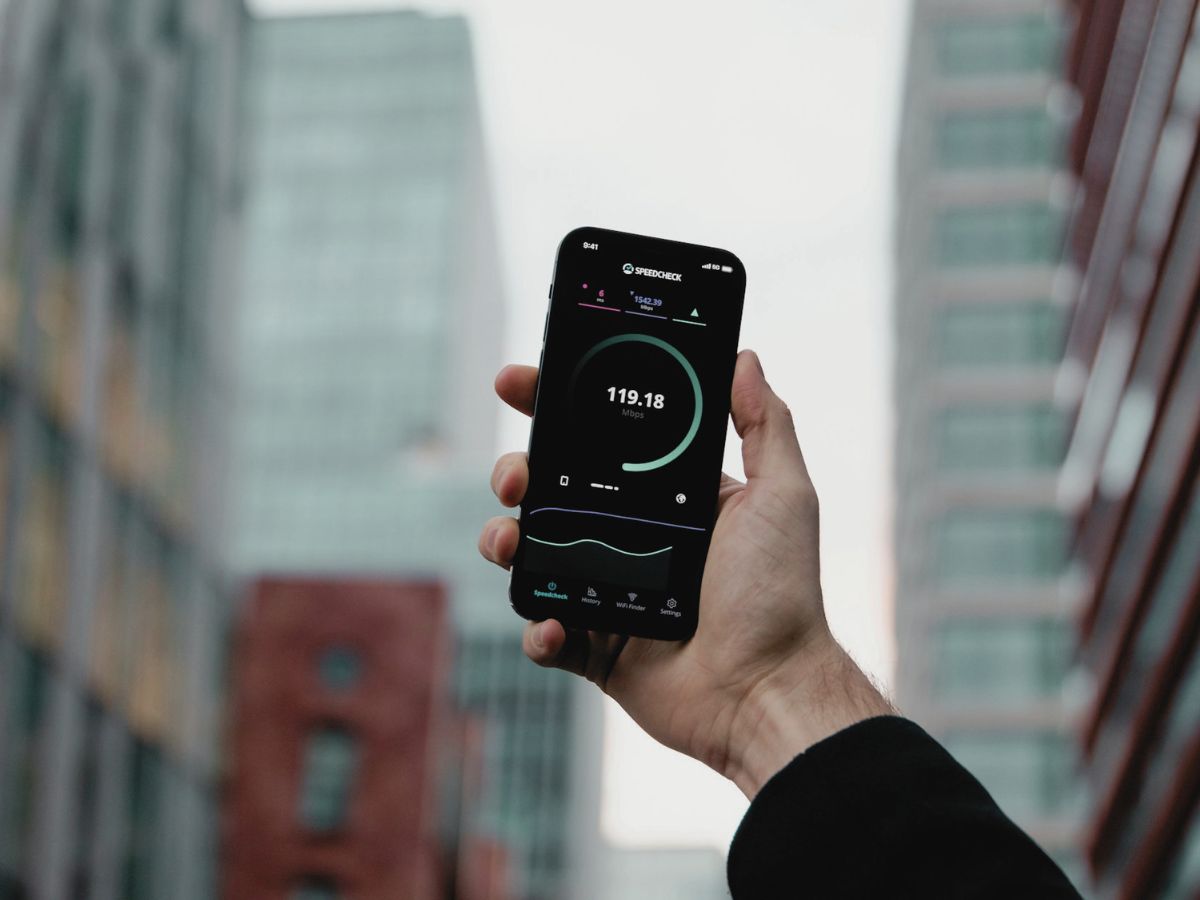
Don't Underestimate Internet Connectivity
Here's one lesson I've learned quickly: a beautiful destination is useless if you can't get online when you need to work.
Before booking accommodation, I check the internet situation. If I have an important meeting or deadline, I don't rely on a single connection either.
A good setup can include:
- Reliable accommodation Wi-Fi
- A mobile data connection
- A portable hotspot
- An eSIM for international travel
- A backup location such as a coworking space or café
Having a backup connection might sound excessive until you're sitting in a hotel room five minutes before an important video call and the Wi-Fi suddenly disappears.
For entrepreneurs, redundancy isn't just a technology principle. It's a travel strategy.
Use Technology to Protect Your Business
Working while traveling also means taking cybersecurity seriously.
I never assume that public Wi-Fi is safe simply because it has a password. When working with business accounts, customer information or sensitive development systems, I use appropriate security measures and avoid unnecessary exposure on unfamiliar networks.
A VPN can provide an additional layer of protection, while multi-factor authentication and strong, unique passwords should be standard practice.
I also recommend keeping important documents securely backed up. Your passport, insurance information, business documents and other critical files shouldn't exist only on one device.
Digital nomad resources similarly recommend keeping encrypted digital backups and having contingency plans for connectivity and important documents.
Choose Destinations That Support Your Business
Not every destination is equally suitable for working remotely.
When I'm considering somewhere new, I look beyond beaches and sightseeing. I want to know:
Can I actually work here?
That means considering:
- Internet reliability
- Time-zone differences
- Accommodation quality
- Coworking options
- Cost of living
- Transportation
- Safety
- Visa and immigration requirements
- Access to airports and other transport
- Opportunities to meet other entrepreneurs
Resources such as Nomadic Matt provide useful travel information, while platforms such as Airbnb can make it easier to find accommodation suited to longer stays.
The best destination isn't necessarily the most exotic one. It's the destination where you can be productive while still having something worth exploring when the laptop closes.

Don't Turn Your Trip Into a 24/7 Workday
This is probably the most important part.
When you work and travel simultaneously, it's incredibly easy for the two to blur together. You wake up, answer emails, work on a project, attend meetings and suddenly realize you haven't actually experienced the place you traveled to.
I've found that creating boundaries makes a huge difference.
Set specific working hours. Schedule important meetings in advance. Finish your priority tasks first. Then close the laptop.
Travel is the reason you're there. Work is what makes the lifestyle possible. Don't let one completely consume the other.
Research into remote work and travel consistently highlights the importance of routines, boundaries, reliable connectivity and managing time-zone challenges.
Turn Travel Into Networking
One of the biggest advantages of traveling as an entrepreneur is the opportunity to meet people you would never encounter at home.
Coworking spaces, technology conferences, startup events and local entrepreneur communities can be incredibly valuable.
I don't travel simply to see new places. I also enjoy discovering how people in different parts of the world approach technology, business and innovation.
A casual conversation over coffee can become a collaboration. A conference introduction can become a business relationship. Even meeting another developer can lead to an exchange of ideas that changes how you approach your next project.
Your network doesn't have to stop at your home city.
Pack Your Mobile Office
My travel philosophy is simple: pack light, but don't compromise on the technology you actually need.
My ideal mobile office includes:
- A lightweight laptop
- Smartphone
- Universal travel adapter
- Power bank
- Noise-cancelling headphones
- Backup storage
- Portable connectivity
- Essential charging cables
- Secure access to cloud services
The goal isn't to recreate your entire office inside a backpack. It's to carry the smallest possible setup that allows you to remain productive.
Give Yourself Permission to Explore
Technology gives entrepreneurs something previous generations simply didn't have: mobility.
You can build software from a café, manage a business from a hotel room, meet clients through a video call and collaborate with people thousands of kilometres away.
But the real opportunity isn't simply being able to work from anywhere.
It's being able to live differently while you build something meaningful.
For me, traveling provides inspiration, perspective and experiences that I simply wouldn't get by sitting in the same office every day. Technology makes that possible—but it still takes discipline to make the lifestyle work.
So if you're a tech entrepreneur dreaming about combining business with travel, don't wait for the "perfect" time.
Build the systems. Secure the connectivity. Protect your business. Plan intelligently.
Then close the laptop, step outside and see where the road takes you.
The world is a pretty good office when you know how to use technology properly.